


If you are enjoying a healthy snack of steamed soybeans and find your furry companion gazing up at you with pleading eyes, you might wonder:Can dogs eat steamed edamame?
The short answer is yes, dogs can safely eat plain edamame in moderation. Edamame—which is simply young, green soybeans harvested before they harden—contains beneficial nutrients, including fiber, protein, and essential vitamins. However, before sharing this popular legume with your dog, there are crucial preparation rules, shell warnings, and portion guidelines you must follow.
🛑 Key Takeaways: What You Need to Know
- Plain Is Best: Dogs can eat plain edamame, whether raw, steamed, or boiled. Never feed them edamame cooked with salt, garlic, oil, or spices.
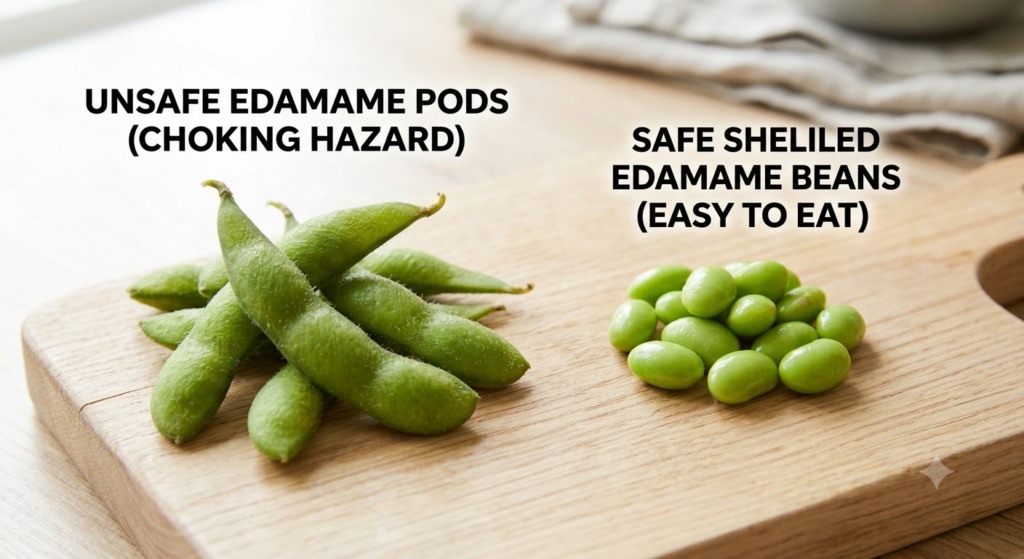
- Remove the Shells: Edamame pods/shells are tough, fibrous, and present a severe choking hazard and risk of intestinal blockage. Always shell them first.
- Soy Sensitivity: Soy is a potential allergen for some dogs. Introduce edamame slowly and watch for signs of stomach upset.
- Follow the 10% Rule: Edamame should only serve as an occasional treat, making up no more than 10% of your dog’s daily caloric intake.
What Is Edamame and Is It Safe for Dogs?
Edamame refers to immature soybeans still inside their pods, widely popular in Asian cuisine and prized as a healthy snack for humans.
When evaluating if dogs can eat edamame, veterinarians generally agree that plain soybeans are non-toxic to dogs. Unlike some human foods (such as onions or grapes) that are inherently poisonous to canines, edamame offers clean plant protein and dietary fiber without toxic compounds.
However, safety entirely depends on how the edamame is prepared and served.
Health Benefits of Edamame for Dogs
When offered as a rare snack, plain edamame provides several health benefits for canine wellness:
1. Rich in Plant Protein
Edamame is packed with plant-based protein, which supports muscle maintenance and energy levels. While dogs thrive primarily on animal protein, plant protein can be a healthy supplemental boost.
2. High in Dietary Fiber
Fiber plays a key role in maintaining a healthy digestive system. The dietary fiber in edamame helps regulate bowel movements and supports overall gut health in dogs.
3. Essential Omega-3 Fatty Acids
Edamame contains Alpha-Linolenic Acid (ALA), an omega-3 fatty acid that contributes to a shiny coat, healthy skin, and reduced systemic inflammation.
4. Packed with Vitamins and Minerals
These green beans contain key nutrients including:
- Vitamin K: Essential for healthy blood clotting.
- Folate (Vitamin B9): Supports cell growth and DNA synthesis.
- Calcium and Magnesium: Promote strong bones and joint health.
Hidden Dangers: When Is Edamame Bad for Dogs?
While plain edamame is safe, certain preparations pose serious health risks to your pet.
Plaintext
       +-------------------------------------------------------+
       |             EDAMAME SAFETY CHECKLIST                  |
       +-------------------------------------------------------+
       | [X] NO Shells/Pods   -> Choking & Intestinal Blockage |
       | [X] NO Added Salt    -> Risk of Sodium Toxicity       |
       | [X] NO Oils/Butter   -> Can Trigger Pancreatitis      |
       | [X] NO Garlic/Onion  -> Highly Toxic to Canines       |
       +-------------------------------------------------------+
1. Edamame Shells (Choking & Blockage Hazard)
The hard, outer pod of edamame is extremely difficult for dogs to chew and digest. Swallowing whole pods can cause choking or form an obstruction in the stomach or intestines, requiring emergency veterinary care.
2. Added Salt and Seasonings
Human edamame dishes are frequently coated in coarse sea salt, soy sauce, garlic, or spicy chili oil. Excess salt leads to dehydration or sodium ion poisoning, while garlic and onions are toxic to red blood cells in dogs.
3. Pancreatitis from Oils and Butter
Pan-seared or sautéed edamame cooked in butter or heavy oils introduces excessive fat to your dog’s digestive system, increasing the risk of pancreatitis.
4. Soy Allergies and Bloat
Soy is a common dietary allergen for dogs. Symptoms of a soy allergy include itchy skin, chronic ear infections, and vomiting. Additionally, eating large quantities of fiber-rich beans can cause gas, bloating, or diarrhea.

Safe Serving Sizes: How Much Edamame Can Dogs Eat?
Treats—even healthy ones like edamame—should never replace a balanced, complete dog food diet. Follow these general portion guidelines based on your dog’s size:
| Dog Size | Dog Weight | Recommended Serving Size (Shelled Beans) | Frequency |
|---|---|---|---|
| Toy / Small | Under 20 lbs (9 kg) | 2–3 individual beans | Once or twice a week |
| Medium | 20–50 lbs (9–23 kg) | 4–6 individual beans | Once or twice a week |
| Large / Giant | Over 50 lbs (23+ kg) | 6–10 individual beans | Once or twice a week |
How to Safely Prepare Edamame for Your Dog
Follow these quick steps to prepare a safe edamame treat:
- Choose Plain Edamame: Buy organic, fresh, or frozen edamame with zero added seasonings, preservatives, or salt.
- Cook Plainly: Steam or boil the edamame in plain water. Do not use oil, butter, or salt.
- Remove All Shells: Pop the beans completely out of their pods. Discard all pods in a secure trash bin.
- Cool Down: Let the beans cool completely to room temperature before offering them to your dog.
- Serve Moderately: Offer 2 to 5 beans as a reward or mix them into your dog’s regular food bowl.

Frequently Asked Questions (FAQs)
Can dogs eat frozen edamame?
Yes, dogs can eat frozen edamame as long as it is completely plain and shelled. Cold or slightly thawed shelled edamame can serve as a crunchy, refreshing treat on hot days for medium to large dogs.
Can dogs eat cooked edamame pods?
No, dogs should never eat edamame pods, whether cooked or raw. Cooking does not soften the fibrous pod enough for a dog to digest it safely, and it remains a choking hazard.
What should I do if my dog ate an edamame shell?
If a large dog eats a single small pod, monitor them closely for 24–48 hours for signs of distress like vomiting, lethargy, or inability to pass stool. If a small dog eats pods or if multiple pods were consumed, contact your veterinarian immediately.
Can puppies eat edamame?
Puppies have delicate digestive systems. While a single plain, shelled edamame bean isn’t toxic, it is best to stick to dedicated puppy food and treats until their digestive tract matures.
Conclusion
So, can dogs eat edamame? Yes! When shelled, cooked plain, and served in strict moderation, edamame makes a low-calorie, nutrient-packed treat for your canine companion. Always keep the pods out of reach, skip the salt and seasonings, and introduce new foods slowly.