

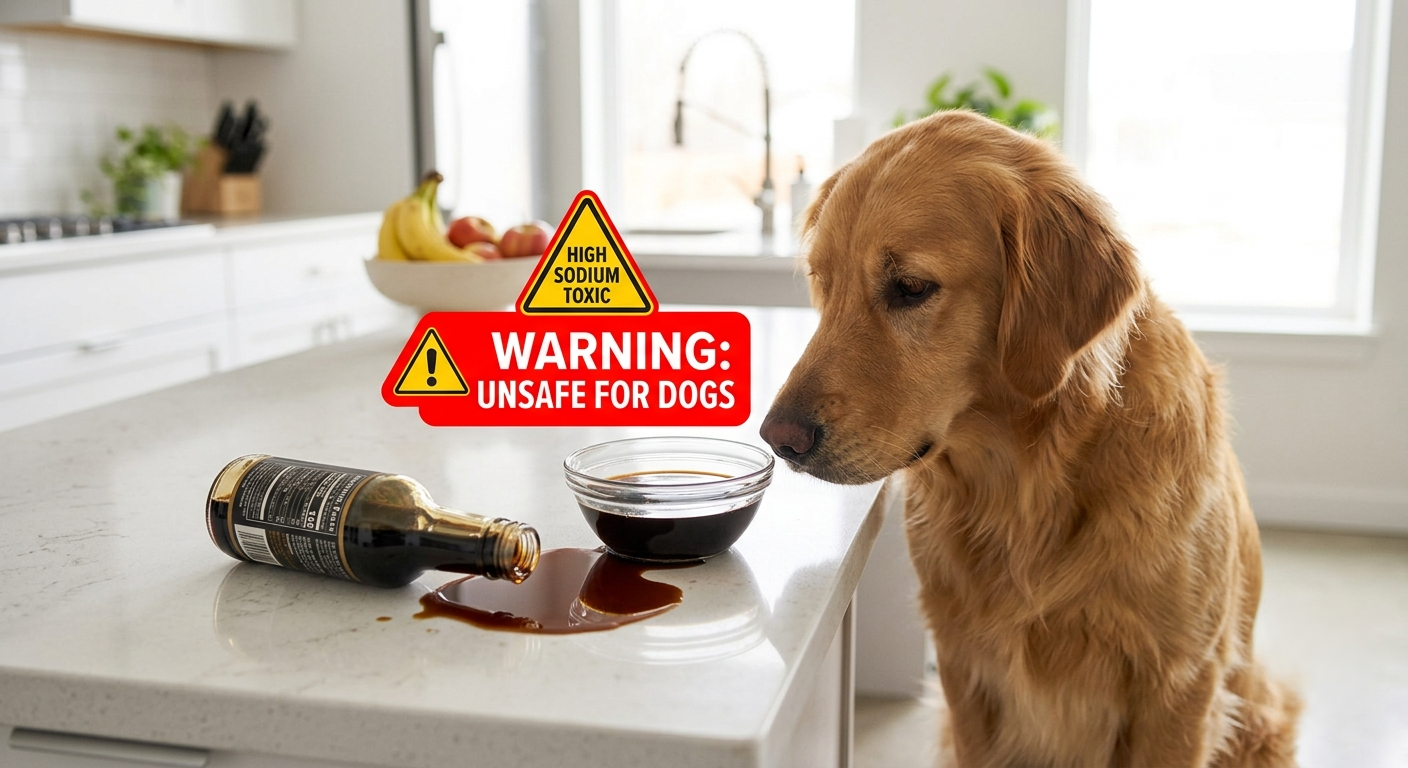
When preparing stir-fry or Asian-inspired dishes, it is common for a few drops or a whole splash of sauce to end up on the floor. If your dog licks it up, you might instantly wonder: is soy sauce safe for dogs?
The direct answer is no, soy sauce is extremely unsafe for dogs. Even though soybeans themselves can be non-toxic, soy sauce is packed with concentrated sodium that can rapidly lead to severe toxicity, salt poisoning, and health emergencies in canines. Here is everything pet parents need to know about the dangers of soy sauce and how to keep your dog safe.
🛑 Key Takeaways: Soy Sauce Safety for Dogs
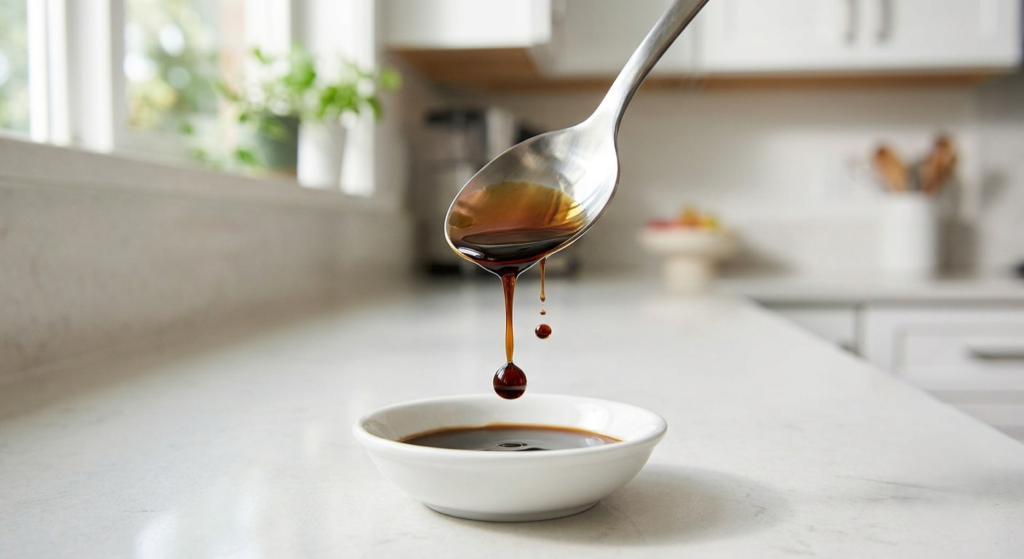
- Highly Toxic Sodium Levels: Just one tablespoon of soy sauce contains over 900 mg of sodium—far exceeding a dog’s recommended daily intake.
- Risk of Salt Poisoning: Ingesting soy sauce can quickly cause hypernatremia (salt toxicity), leading to neurological distress, seizures, or kidney failure.
- Common Hidden Toxins: Many soy sauce marinades also contain garlic, onion powder, or alcohol, adding extra toxicity risks for dogs.
- Immediate Vet Action Needed: If your dog consumes more than a small lick of soy sauce, provide fresh water immediately and contact a veterinarian or pet poison hotline.
Why Is Soy Sauce Dangerously High in Sodium for Dogs?
Dogs require a very tiny amount of sodium in their daily diet to maintain basic bodily functions, which is already fully supplied by balanced kibble. Unlike humans, a dog’s kidneys are not built to process concentrated liquid salt.
Plaintext
  +-------------------------------------------------------------------+
  |               SOY SAUCE vs. DOG SODIUM LIMITS                     |
  +-------------------------------------------------------------------+
  | Recommended Daily Sodium Intake (Medium Dog): ~100 mg to 200 mg   |
  | Sodium in 1 Tablespoon of Soy Sauce:         ~900 mg to 1,000 mg  |
  | Danger Factor: EXCEEDS DAILY MAXIMUM BY 5x TO 10x IN ONE SPOON    |
  +-------------------------------------------------------------------+
1. Rapid Dehydration and Electrolyte Imbalance
When concentrated sodium enters your dog’s stomach, it pulls water directly out of their body tissues and bloodstream into the digestive tract. This sudden shift triggers severe thirst, rapid dehydration, and dangerous electrolyte imbalances.
2. Neurological Damage (Salt Toxicity)
Excessive sodium levels in the blood draw moisture away from brain cells, causing them to shrink. This can cause neurological distress, disorientation, muscle tremors, seizures, and in severe cases, coma.
3. Kidney Strain and Failure
A dog’s kidneys must work overtime to filter excess salt out of the body. Severe sodium spikes can overload the renal system, potentially leading to acute kidney failure.
Symptoms of Salt Poisoning in Dogs
If your dog consumes soy sauce or foods heavily cooked in soy sauce marinades, monitor them closely for these progressive warning signs:
| Phase | Common Symptoms | Severity Level |
| Early Stage (0–2 Hours) | Extreme thirst, excessive panting, heavy drooling, vomiting, diarrhea | 🟡 High Warning |
| Intermediate Stage (2–6 Hours) | Restlessness, weakness, loss of coordination, muscle spasms, confusion | 🟠 Serious Risk |
| Advanced Stage (Critical) | Seizures, collapse, unresponsive state, total kidney failure | 🔴 Emergency |

What to Do If Your Dog Ingests Soy Sauce
If your pup licks or drinks soy sauce, act quickly by following these emergency steps:
- Provide Immediate Access to Fresh Water: Allow your dog to drink clean, fresh water right away to help dilute the sodium in their system.
- Determine How Much Was Ingested: A tiny lick off a fallen vegetable is less dangerous than drinking a spilled puddle or consuming meat heavily soaked in teriyaki or soy sauce.
- Check for Additional Toxic Ingredients: Look at the ingredient list on the bottle. Does it contain garlic, onion, mirin, or xylitol?
- Call Your Vet or Pet Poison Helpline: Report your dog’s weight, the estimated amount swallowed, and any symptoms. They will advise whether to bring your dog in for fluid therapy.
Safe Alternatives to Soy Sauce for Pet Parents
If you like adding toppings or meal toppers to your dog’s regular kibble, skip human condiments entirely and try these dog-safe options instead:
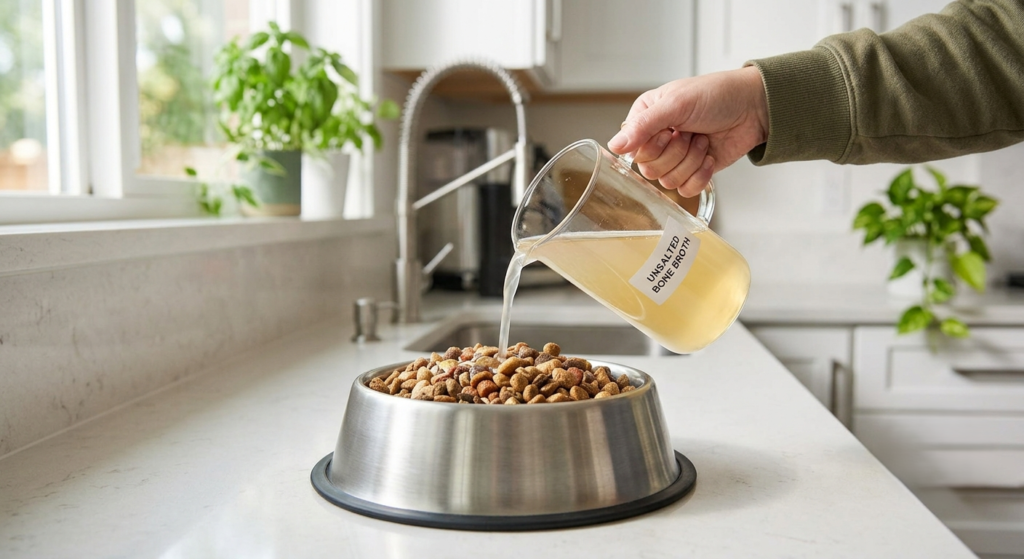
- Unsalted Bone Broth: Homemade or pet-safe bone broth adds rich flavor, hydration, and collagen without added salt.
- Plain Cooked Edamame Beans: Shelled, unseasoned green soybeans offer plain plant protein without sodium hazards.
- Pure Water or Goat’s Milk: Splashing a small amount of plain water or commercial dog-safe goat’s milk over kibble satisfies picky eaters safely.
Frequently Asked Questions (FAQs)
Is low-sodium soy sauce safe for dogs?
No. Even “low-sodium” or “reduced-sodium” soy sauce contains roughly 500 mg to 600 mg of sodium per tablespoon, which is still far too high and dangerous for canines.
Can dogs eat food cooked with soy sauce?
No. Dishes like stir-fried meats, teriyaki chicken, or fried rice absorb high levels of salt and often contain toxic ingredients like onions or garlic powder. Keep these human meals strictly off your dog’s menu.
What should I do if my dog licked a small spot of soy sauce on the floor?
A quick tongue-lick of a tiny drop is unlikely to cause severe salt toxicity in a medium or large dog, provided they have free access to drinking water. However, small dogs or puppies can be affected by much smaller amounts, so close monitoring is recommended.
Conclusion
Is soy sauce safe for dogs? Absolutely not. Due to its extreme sodium concentration, soy sauce poses a high risk of salt toxicity, severe dehydration, and organ distress. Always keep soy sauce bottles tightly capped, clean up spills immediately, and stick to plain, unsalted treats to keep your furry friend healthy.